
 Food and Nutrients
 Food as Medicine
 Nutrition Therapy
Health and Diet Issues
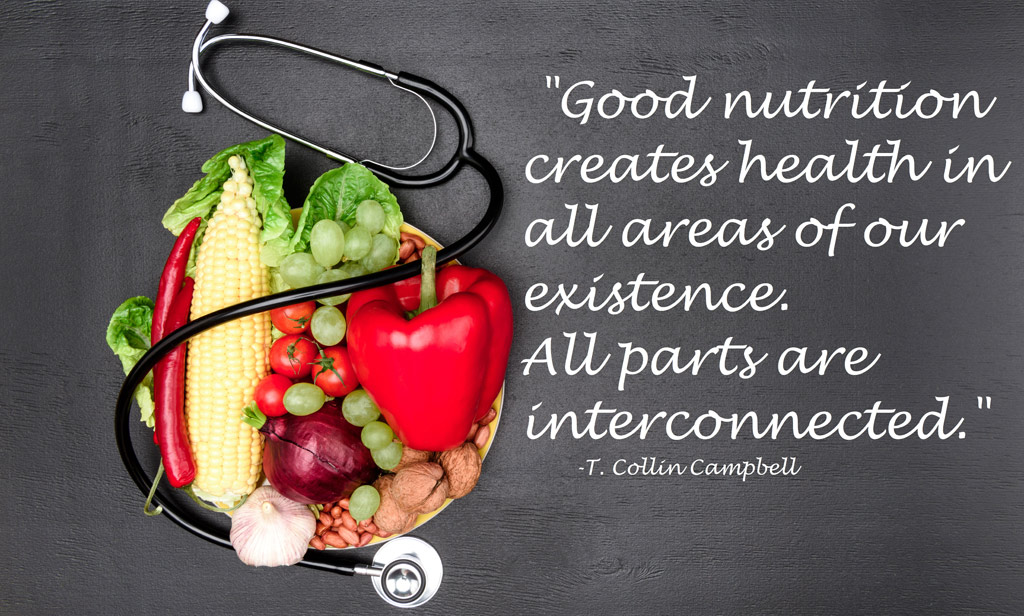
Whether food as the source of information for the body to function properly or as integral to the process of body functions themselves, it is evident that health and wellbeing are directly connected with nutrition. By extension the lack of health is to a large extent the dysfunction caused by incorrect intake and / or lack of nutrition required for the body.
What are some of the issues with our diet?
- Processing removes nutrients
Our supermarkets are full of convenient packaged foods that appeal to our taste buds, but compromise our nutrition. Because most of the natural nutrients are removed from these foods in the process of refining, we need to get them elsewhere.
- Processed foods have additives
Our standard diet relies heavily on processed foods that include artificial color, additives, flavorings, and chemically-altered fats and sweeteners. These additives and chemically altered substances may give our bodies the wrong signals, instead of the information they need to function properly.
- Even "natural" foods have fewer nutrients
Our food is not the same as it was 20 years ago. Nutrients in the soil have been depleted, so food grown in that soil has fewer nutrients. Chemicals are increasingly used in raising both plants and animals, particularly on huge industrial farms that specialize in a few products.
- We are eating less variety of foods
As a result, we do not necessarily acquire all the nutrients that are necessary for the healthy functioning of our bodies. Lack of some such critical nutrients leads to ailments.
- We eat for convenience, not pleasure
We tend to eat for convenience and speed, not health and pleasure. Our fast foods also remove us from the pleasures of creating and savoring a wonderful meal, and our fast pace often prevents us from connecting over a good, slow meal.
What is the connection between food and disease?
As a society we are facing significant health problems.
Many researchers now believe that these problems are partly related to diet. While they used to believe that diseases such as type II diabetes, obesity, heart disease, stroke, and certain cancers were caused by a single gene mutation, they are now generally attributing these conditions to a network of biological dysfunction. And the food we eat is an important factor in that dysfunction, in part because our diets lack the necessary balance of nutrients.
To prevent the onset of these diseases, we need to know how multiple nutrients in a diet interact and affect the human body's functions, according to the Nutrition Society, Europe's largest nutritional organization. Functional Medicine is a dynamic approach to assessing, preventing, and treating complex and chronic diseases using nutrition. This area of healthcare also conducts research on the role that nutrition plays in health.
For illustration purpose, we look at cardio-vascular disease –
When taking a nutritional approach to health and disease, it is important to understand that one disease might have multiple causes, and one underlying dysfunction might cause multiple diseases. Cardiovascular disease may be among the clearest examples of this concept.
Researchers have shown that the development of heart disease can be triggered by multiple factors. These factors include insulin resistance, elevated homocysteine, oxidative stress, elevated cholesterol, hypertension, heavy metal toxicity, stress, and inflammation. Each of these factors can be influenced by nutrition and each, in turn, impact our nutritional needs. This applies both to the prevention and treatment of these factors (Textbook of Functional Medicine).
For example, a 2007 study shows the importance of optimal mineral balance and how a deficiency in mineral balance can contribute to the development of congestive heart failure (Cardiovascular & Hematological Agents in Medicinal Chemistry, 2007).
Why don’t we eat a healthy diet?
We outline two important factors below.
- We focus on foods to avoid
During the past three decades, the focus has been on good food versus bad food, with the primary focus on avoiding the "bad." But what qualified as bad kept changing. Fats were the enemy for years. Then carbohydrates joined the ranks of bad foods. Animal protein became bad and plant protein good. Of course calories were always on everyone's mind.
While we focused on identifying enemy foods, we forgot to discuss what foods we should eat. As nutrition research is beginning to show, what we fail to eat may impact our health more than eating "bad" foods.
- We know but don't act
We are all well aware of the simple mantra...eat healthy natural food. We are intelligent and well informed. However there is often a gap between our knowledge of what to do and our actually doing it.
What can we do to overcome these barriers?
One way to address both of these factors is to think about food as information. This prompts us to ask:
- What signals is this food sending my body?
- Will this food create and support health or contribute to the development of dysfunction, symptoms, and disease?
Asking these questions can help choose foods to include and motivate us to close the action gap.
One key rule of thumb that each of us can start with is: Include foods that are natural and whole while excluding those that have been "tinkered with."
Why does nutrition advice change from time to time?
We are bombarded with information about "healthy eating," but we suffer from higher rates of obesity and chronic disease than ever before. We are told one year to avoid fat and the next to avoid carbohydrates. It is enough to make anyone distrust nutritional advice altogether, particularly anything that claims that "food is medicine."
In many ways, we don't really need much advice because we already know basically what we should do: eat a variety of foods, and watch how much we eat. And of course do some physical activity each day.
Then why do we have all the complicated nutritional advice, contradictory research studies, and endless health diets? In part because they give the food companies a way to sell more products. And on our side of the table, it is often easier to read about what we should do, than actually change our eating patterns.
The media coverage, which leaps to publicize the latest study, contributes to the confusion. Unfortunately the news stories don't usually investigate the limitations of the research or explain the complexity of the findings. Below are two keys reasons why the results of nutrition research can be flawed or misunderstood.
We can't isolate a nutrient's effect
Until recently, nutrition research emphasized the role of single nutrients acting as a magic bullet to miraculously prevent disease or, conversely, as the sole agent responsible for the development of the disease.
During the past decade, however, research is uncovering the concept of food synergy; which is the additive influence of multiple nutrients or food patterns. In other words, it is not the effect of one nutrient that leads to health, but a person's overall diet. In 2004, the Journal of the American Medical Association published the results from the HALE project showing that adherence to healthful lifestyle practices and diet pattern was associated with a nearly 70 percent reduction in chronic disease.
Genetic factor
Another confounding variable in nutritional research is the genetic difference among the people studied. These differences can impact how individuals digest and use nutrients in food. Sometimes, when a study of a nutrient shows a difference only in a small number of people, it could be due to individual metabolic differences. We simply can't isolate the metabolism of a food from the entire makeup and functioning of the person eating it.
So what is the bottom line?
Fortunately, while individual studies may give different data about a particular nutrient, the value of a healthy diet is not in doubt. Study after study shows that good food choices have a positive impact on health and poor diets have negative long-term effects.
A healthy diet gives your body the nutrients it needs to perform, maintain function, and fight disease. People whose dietary habits fit the Healthy Eating pattern have a lower incidence of major chronic diseases.
That said, the challenge is to identify the best foods for you at any point in your life.
Let thy food be thy medicine and thy medicine be thy food - Hippocrates (460-377 BC)